Canadian Alcohol Enters a New Era: What the Fall of 2026 Means for the Industry
U.S. trade restrictions, a difficult BC wildfire season and a critical harvest period are creating a pivotal fall for Canada’s alcohol industry.
For Canada’s liquor and beverage industry, October is arriving with more uncertainty than usual.
As of September 29, the United States has begun restricting imports of certain Canadian alcoholic beverages, following a series of escalating trade measures between the two countries. The restrictions cover specified Canadian beer, wine and spirits, with some products and shipments treated differently under the detailed tariff rules.
For Canadian producers — particularly those with U.S. customers — this creates a new question:
What happens when an important export market suddenly becomes harder to access?
The Big Story: Canadian Alcohol & The U.S. Market
The latest U.S. proclamation excludes certain Canadian alcoholic beverages from importation as of September 29, 2026.
The measure affects specified packaged beer, wine and spirits, while the precise products covered depend on the tariff classifications and conditions outlined by the U.S. government. Some bulk products and other categories are treated differently.
The timing is significant.
The restrictions arrive just as Canadian producers are heading into an important fall and holiday sales period — traditionally a critical time for beverage alcohol businesses.
Industry groups in the United States have warned that the measures could disrupt supply chains and affect retailers, wholesalers, restaurants and consumers.
What Does This Mean For Canadian Producers?
The immediate impact will vary considerably from business to business.
For producers with significant U.S. exposure, the new restrictions may mean reassessing:
-
- Export markets
-
- Distribution relationships
-
- Inventory
-
- Pricing
-
- Production planning
-
- Domestic sales opportunities
-
- Brand strategy
For smaller producers, the question may be even broader:
How do you build a business that isn’t overly dependent on one market?
BC Wine: A Second Challenge
The trade situation isn’t happening in isolation.
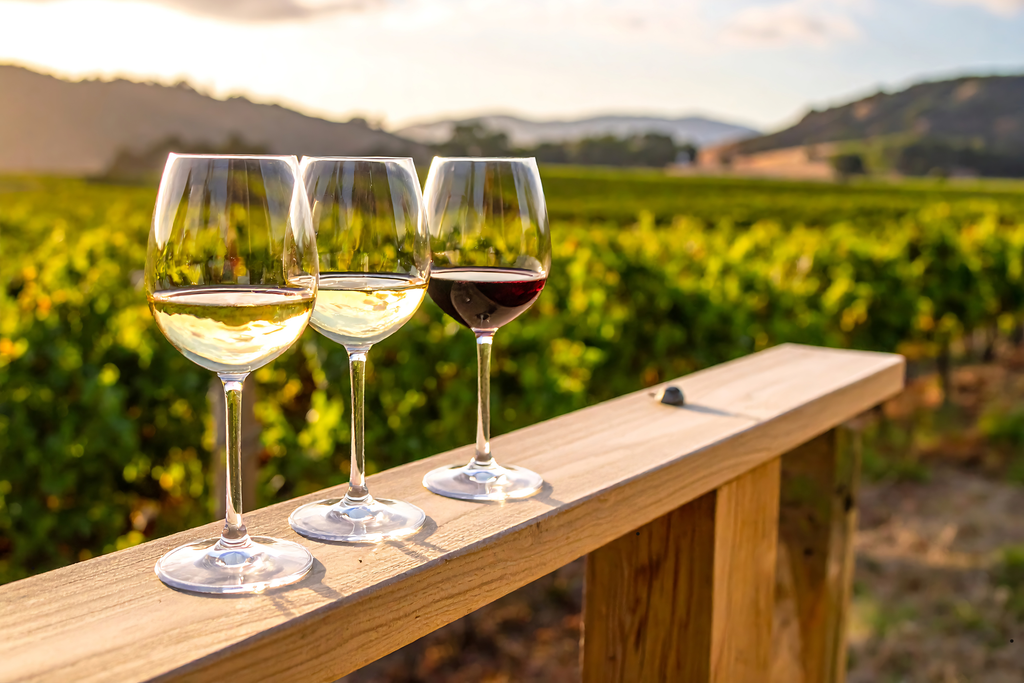
BC’s wine industry is entering harvest season after a difficult summer marked by significant wildfire activity in parts of the province.
Wine Growers British Columbia launched its annual Fall for BC Wine campaign in September, encouraging visitors to return to wine regions during harvest after wildfires disrupted travel to some communities.
Destination BC has also launched a province-wide recovery campaign encouraging BC and Alberta residents to travel within the province this fall and support communities affected by the 2026 wildfires. The campaign is running through October 24.
For wineries and hospitality businesses, this makes fall tourism particularly important.
When Harvest Doesn’t Go As Planned
The impact of this year’s wildfire season goes beyond tourism.
Some Okanagan wineries experienced direct property losses, while others are dealing with reduced grape yields and also damaged grapes.
In one reported case, a Summerland winery estimated that the loss of this year’s grapes could result in approximately 6,000 fewer cases of wine from that harvest.
That has implications beyond the vineyard.
A reduced harvest can affect:
Production → Inventory → Revenue → Tourism → Hospitality → Local suppliers
For an industry already navigating changing trade conditions, that’s another layer of complexity.
So, Where Does The Industry Go From Here?
There isn’t one answer.
But the events of September highlight several themes that Canadian alcohol businesses may want to consider as they head into 2027.
1. Diversification
For producers selling into the U.S., the latest restrictions reinforce the importance of understanding and developing alternative markets.
2. Domestic Opportunity
If access to international markets becomes more complicated, Canadian producers may increasingly look toward consumers at home.
That creates opportunities for stronger local partnerships, tourism experiences, hospitality relationships, and direct-to-consumer strategies. Getting Canadians to drink Canadian-produced products. There’s a marketing opportunity for the BC and federal governments to promote the purchase of Canadian alcohol products.
3. Resilience
The combination of wildfire disruption and changing trade conditions is a reminder that today’s successful alcohol businesses need to be prepared to adapt.
4. Knowing Your Regulatory Landscape
When markets, distribution channels, or business models change, licensing and regulatory requirements can change with them.
That’s where having a clear understanding of your obligations before making the next move becomes increasingly important.
Bert’s Perspective:

“There is no question that David Eby and his government have been very supportive of the liquor and hospitality industry over the years, with some very significant changes such as:
-
- Extension of the 10-year moratorium upon the issuance of any new Liquor Store licenses.
-
- Maintaining the 1 km radius separation between Liquor stores.
-
- The ability for a Liquor Store to temporarily relocate to an alternative site when the home site is being redeveloped.
-
- Licensee to licensee Sales.
-
- Private Liquor Stores being able to sell liquor for special events.
-
- Providing as much assistance as possible to restaurants and bars during COVID.
-
- Allowing Liquor stores to remain open during COVID and open at 7 AM.
These are just a few of the major initiatives that they have achieved for the industry.
Similarly, the city of Vancouver has over the past four years made significant policy changes, particularly regarding the following:
-
- The extension of our hours for liquor primary licensed establishments in the Downtown core to 4 AM. This included extending bar and restaurant hours to 2 AM.
-
- As much assistance as possible for the Granville Street entertainment district, and the battle with BC Housing.
-
- Safe streets and increased budgeting for placing fire and first responders.
- The ability for an establishment to be duly licensed with both a food primary and a liquor primary licence.
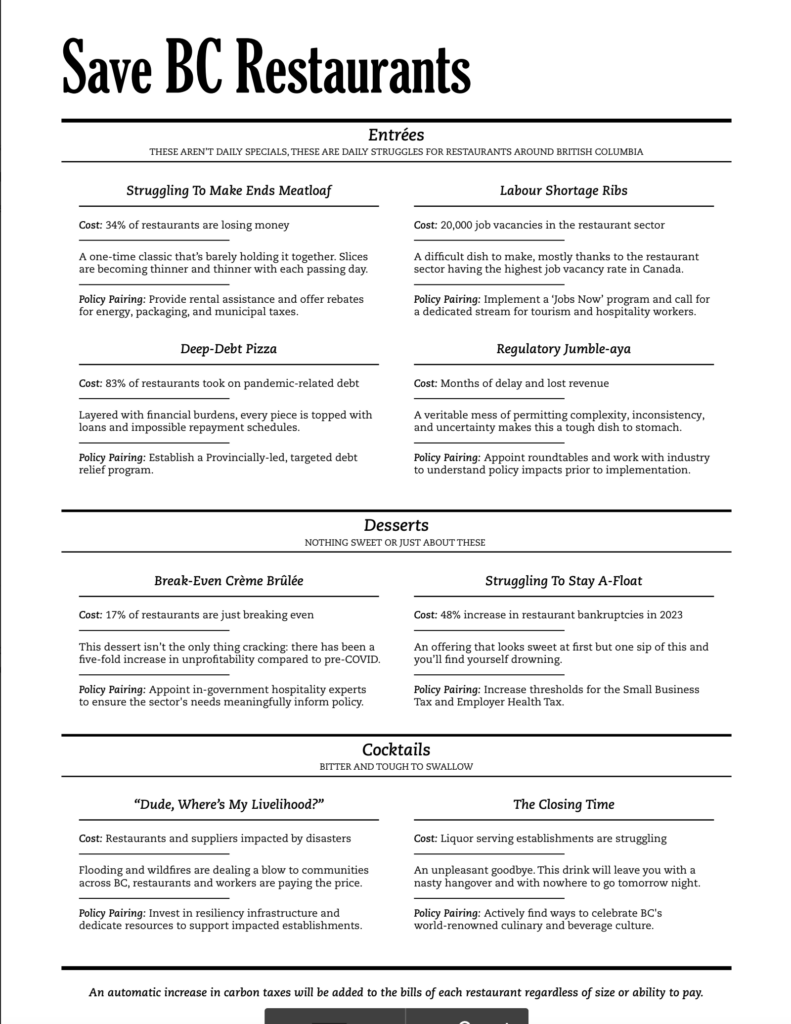
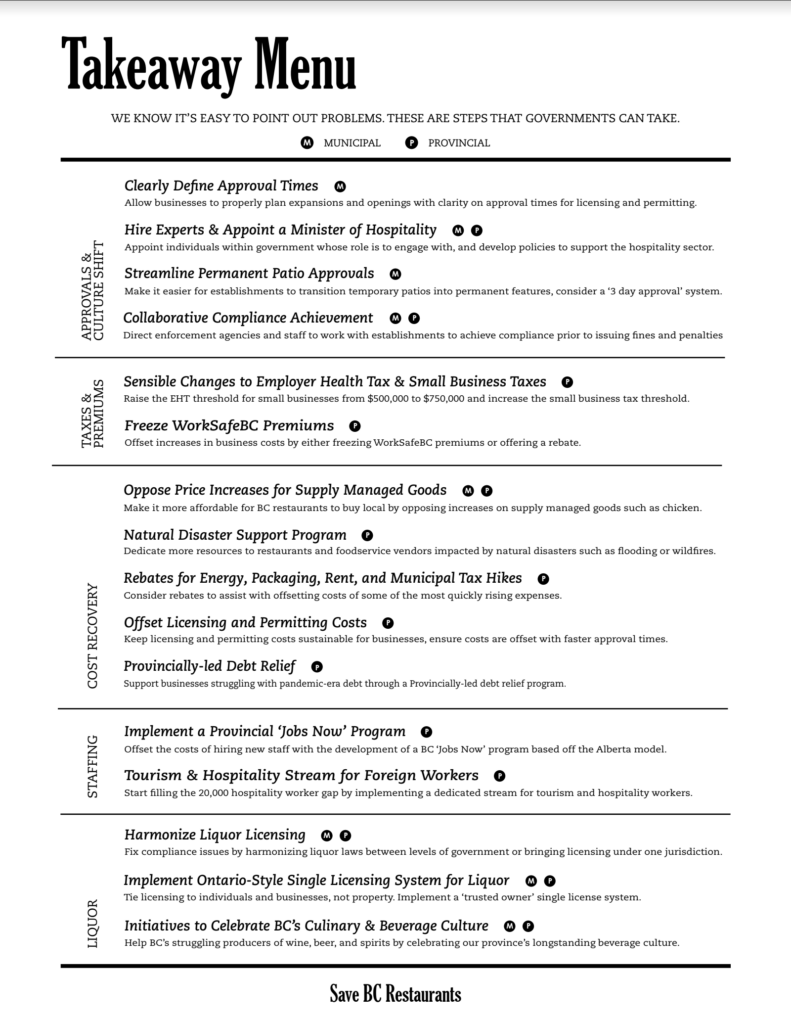
However, much work still needs to be done at both the provincial and the municipal levels of government.
I’m encouraging all licensees and the industry associations to get involved and get out to vote, attend all candidates’ meetings and campaigns, and support provincial or municipal candidates or parties that you feel are best suited for moving the liquor and hospitality industry forward.
Make sure your vote counts in these challenging and changing times that we’ve never experienced before.”
Looking Ahead
The Canadian alcohol industry has always operated within a very complicated regulatory environment at the federal, provincial, and municipal levels of government.
But this fall is highlighting something broader:
Markets change. Regulations change. Consumer behaviour changes. And businesses have to change with them.
For producers, retailers, restaurants, breweries, wineries and other licensed businesses, the ability to understand what’s changing and plan can be just as important as understanding the rules themselves.
The next chapter of Canada’s alcohol industry is already being written, and Rising Tide will be watching.
ABOUT RISING TIDE
Rising Tide helps businesses across Canada’s liquor, cannabis and hospitality industries navigate licensing, compliance, consulting and regulatory requirements.
Have a question about your business, licence or next move?
Looking at your business from the outside can reveal opportunities you might miss from behind the bar or across the pass. If you’re ready to identify where your hospitality business can grow next, Rising Tide Consultants can help you turn ideas into action. And help you navigate through these turbulent times.